Guide 1 of 5

Sustainable Fashion Brands in Germany

Germany has one of Europe's more established markets for sustainable apparel, anchored by cities like Cologne, Berlin and Hamburg. "Sustainable" is a broad label, so this guide focuses on three companies that publish concrete detail about materials and production: Armedangels, Jan 'n June and Recolution.

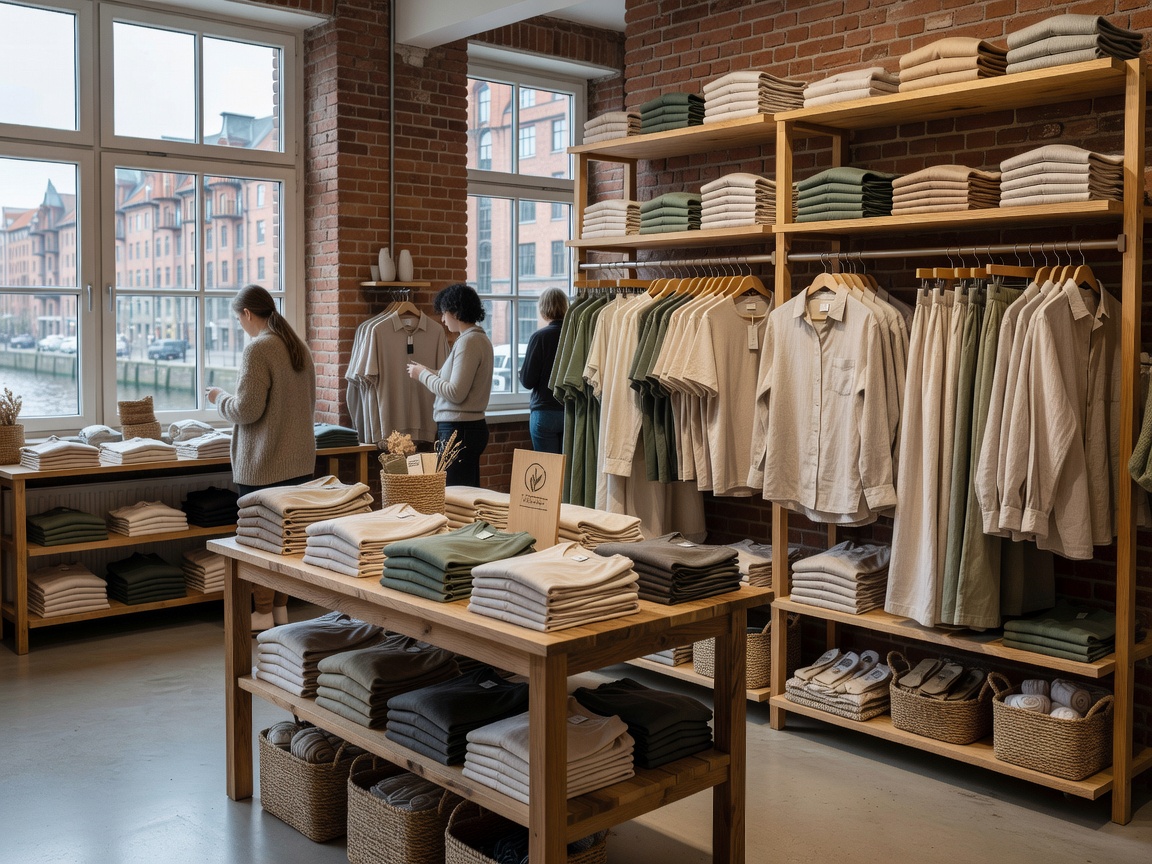
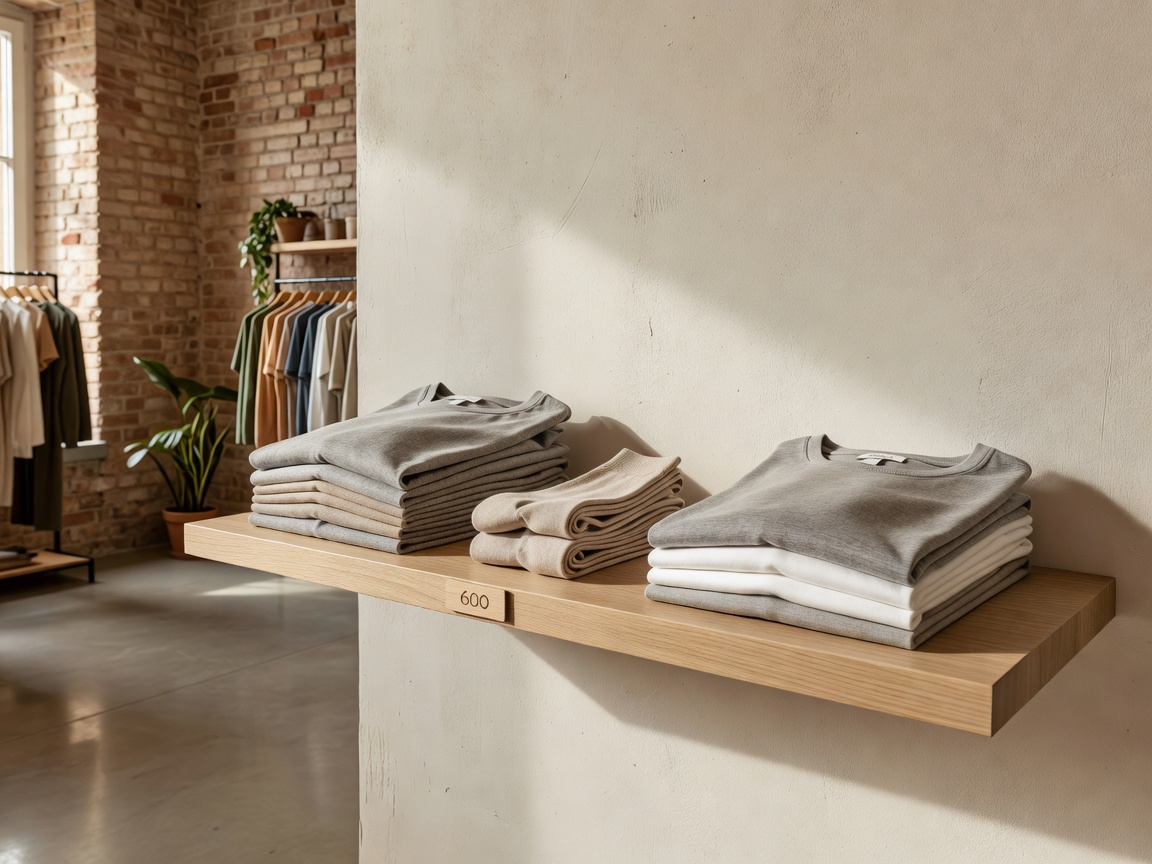
Organic cotton basics folded on a shelf in a Cologne sustainable fashion showroom

Cologne · Founded 2007

Armedangels

One of Germany's best-known sustainable fashion labels, built around GOTS-certified organic cotton, recycled polyester and Tencel lyocell. The catalogue leans toward everyday basics — t-shirts, denim, knitwear — rather than fast-changing seasonal drops, which keeps the size range and colour offer relatively consistent year to year.

GOTS CottonDenimWide Sizing
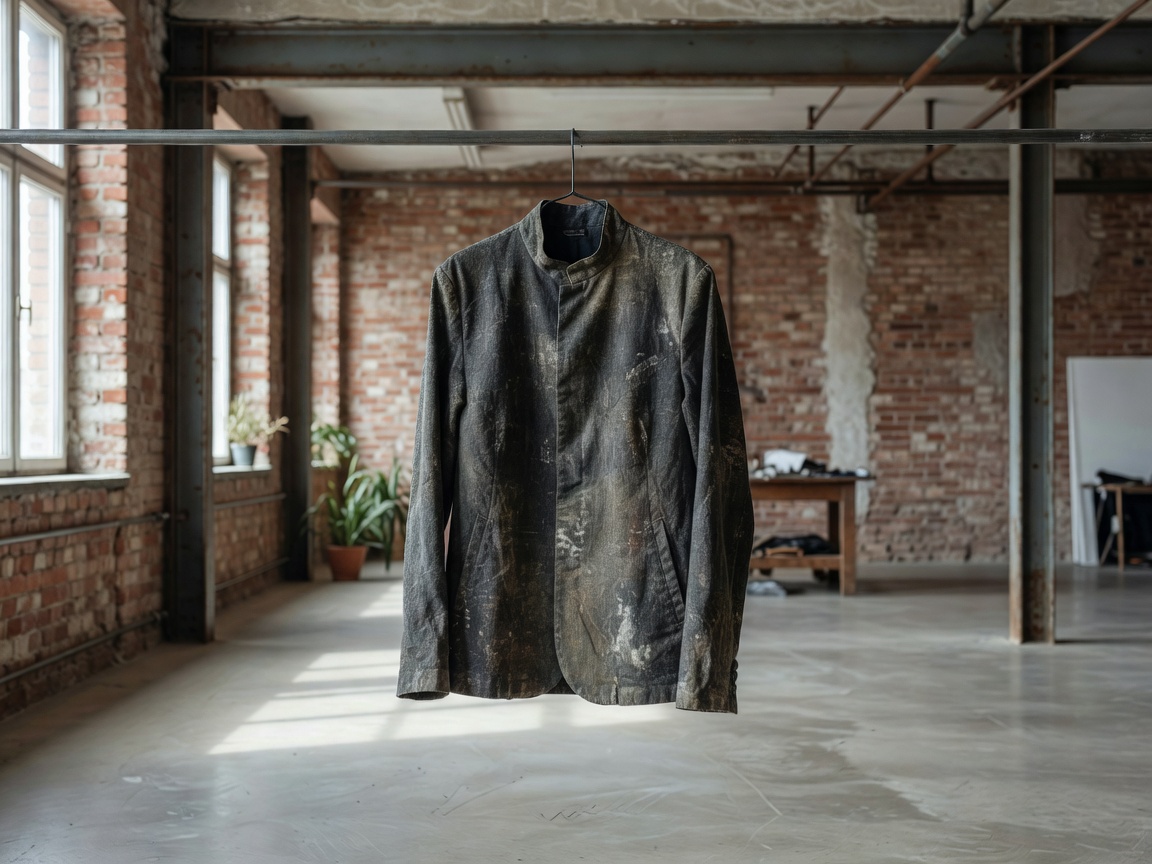
Minimalist recycled fabric jacket on a rack in a Berlin studio

Berlin · Vegan Materials

Jan 'n June

A Berlin label built specifically around vegan and largely recycled materials — recycled polyester, recycled cotton blends and cellulose fibres — with a design language closer to minimalist ready-to-wear than typical "eco basics." Transparency reporting on suppliers is more detailed than most labels in this price bracket.

VeganRecycled FibresMinimalist Cut
Fair trade organic basics displayed in a Hamburg sustainable fashion store

Hamburg · Fair Trade Basics

Recolution

A Hamburg label focused on fair-trade certified organic cotton basics and hemp blends, positioned as an entry point into sustainable fashion at a lower price point than boutique labels, without dropping certification standards on its core cotton lines.

Fair TradeHemp BlendsEntry Price

How the Three Compare

BrandCore FocusTypical MaterialsPrice Tier
ArmedangelsEveryday basics, denimOrganic cotton, Tencel, recycled polyMid-range
Jan 'n JuneMinimalist ready-to-wearRecycled poly, recycled cotton, veganMid to upper
RecolutionFair trade basicsOrganic cotton, hemp blendsEntry to mid

Pros and Cons of Buying From Independent Sustainable Labels

Advantages

  • Clearer material sourcing than most mass-market retailers publish
  • Smaller production runs reduce unsold overstock
  • Certifications like GOTS give a verifiable baseline for organic content
  • Designs built for longer wear rather than a single season

Trade-offs

  • Prices per garment sit above fast-fashion equivalents
  • Size ranges and colourways are often narrower
  • Restocks can be slower than large retailers with bigger inventories
  • Not every "sustainable" claim is independently audited — check for named certifications

What to Check Before You Buy

  • Is there a named certification (GOTS, OEKO-TEX, Fair Wear Foundation) rather than just the word "eco"?
  • Does the brand disclose where garments are cut and sewn, not just where fabric is grown?
  • Are care instructions and repair options provided to extend garment life?
  • Is pricing consistent with the stated material and labour standards, or unusually low for the claims made?

For background on the certifications mentioned above, the Global Organic Textile Standard and the Fair Wear Foundation both publish their own criteria and member lists, which is a useful way to cross-check a brand's claims independently of this guide.

Related Guides