Guide 2 of 5

Organic Clothing Labels in Germany

Organic clothing is a narrower claim than "sustainable" — it specifically concerns how the fibre was grown, typically without synthetic pesticides or fertilisers, and it is verifiable through certification. This guide covers three German labels with long-standing organic sourcing: hessnatur, ThokkThokk and Manomama.

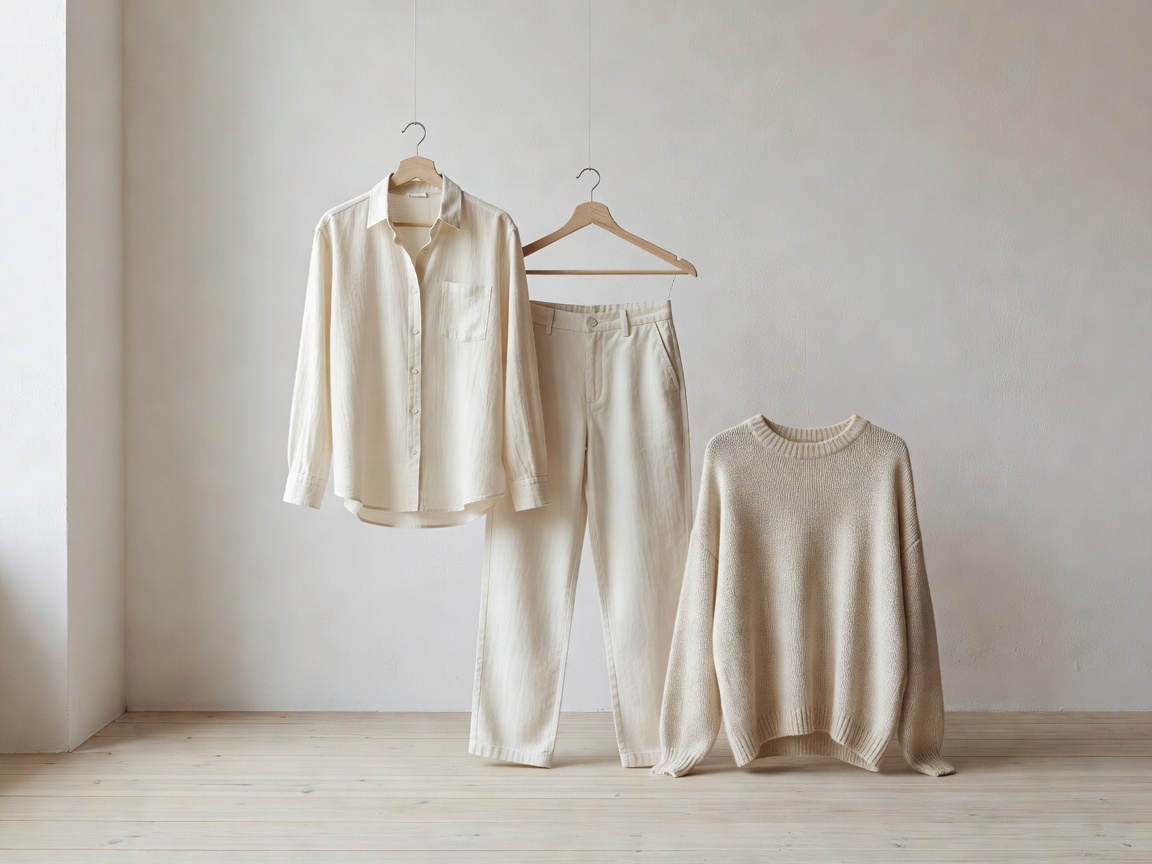
Natural undyed organic cotton garments in a hessnatur style catalogue layout

Butzbach · Founded 1976

hessnatur

One of the oldest organic clothing companies in Germany, originally built around mail-order natural fibre garments before organic cotton certification existed in its current form. The catalogue spans basics, outerwear and homeware, with a long institutional focus on traceable fibre sourcing.

Legacy BrandWide Range

Organic cotton streetwear-influenced basics in muted colours

Cologne · Streetwear-Influenced

ThokkThokk

A Cologne label that applies organic cotton and certified dyeing processes to a more streetwear-influenced silhouette than the typical "eco basics" look — heavier jersey, boxier cuts, and graphic prints on certified organic cotton stock.

Organic CottonGraphic Prints
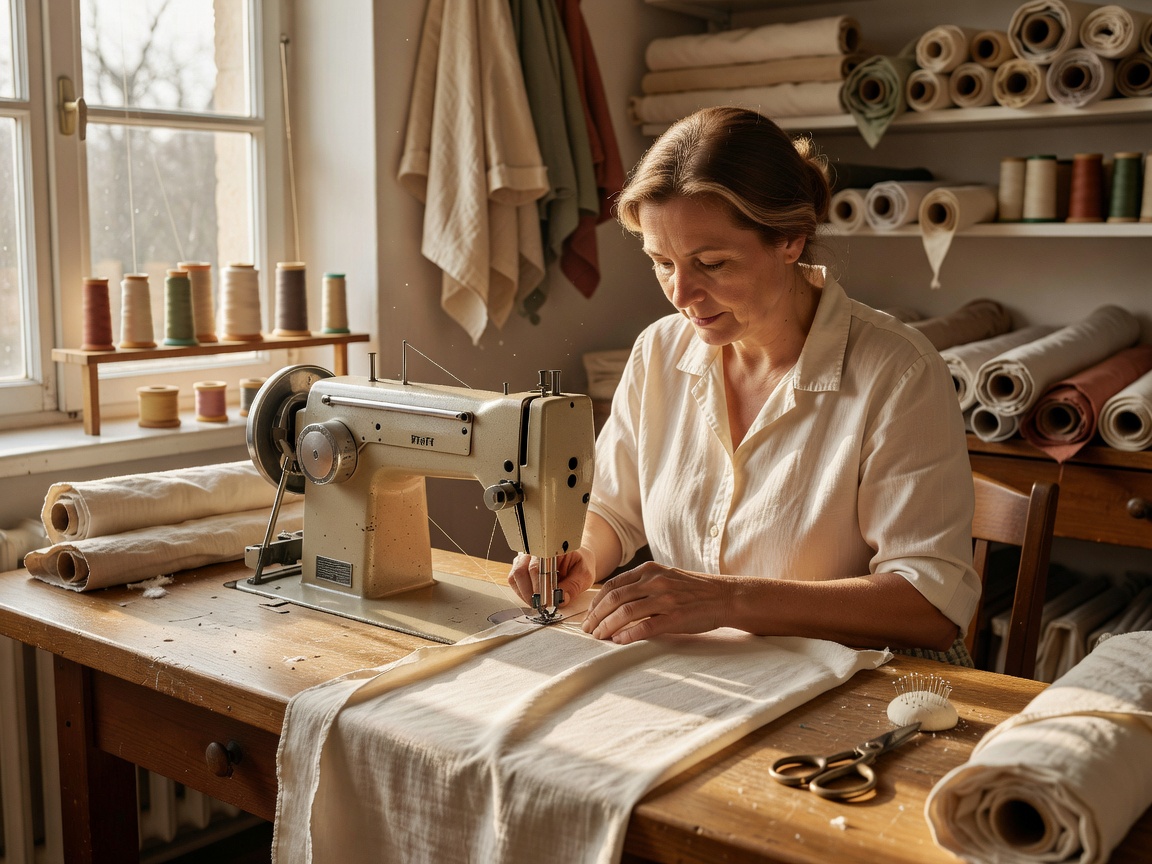
Organic cotton fabric being sewn in a domestic German workshop

Augsburg · Social Enterprise

Manomama

A social enterprise based in Augsburg that manufactures organic cotton clothing domestically and specifically employs people who face barriers to the regular job market. Production is intentionally kept local rather than outsourced, which shortens the supply chain considerably compared to most of the industry.

Made in GermanySocial Enterprise

Comparing the Three Labels

BrandStandout FeatureProduction LocationPrice Tier
hessnaturLongest operating history in organic textilesMixed, international millsMid to upper
ThokkThokkStreetwear silhouette on organic cottonMixed, certified millsMid-range
ManomamaDomestic manufacturing, social missionAugsburg, GermanyMid to upper

Organic Cotton vs. Conventional Cotton

Organic Cotton

  • Grown without synthetic pesticides or fertilisers under certification rules
  • Certification bodies audit farms and supply chain custody
  • Often paired with lower-impact dyeing processes under the same certification
  • Typically costs more per unit of fabric than conventional cotton

Conventional Cotton

  • Generally cheaper and more widely available at scale
  • Standard growing methods use synthetic pesticides in many regions
  • Fewer chain-of-custody audits from farm to finished garment
  • Quality can still be high — the difference is agricultural method, not durability

Certifications Worth Knowing

  • GOTS — covers organic fibre content plus environmental and social criteria through processing.
  • OEKO-TEX Standard 100 — tests the finished product for harmful substances, independent of farming method.

See global-standard.org and oeko-tex.com for the full criteria behind each label.

Buying Guide Tips

  • Look for the certification logo plus a licence or certificate number, not just the word "organic" on a swing tag.
  • Domestic manufacturing (as with Manomama) shortens the supply chain but doesn't automatically mean lower emissions overall — transport is one factor among many.
  • Heavier organic cotton jersey (as used by ThokkThokk) tends to hold shape better through repeated washing than lightweight conventional jersey.

Related Guides